Cleaner Company Equipment Tier List
S–C priorities for Star Wipers spending contract earnings before the 2026 launch.
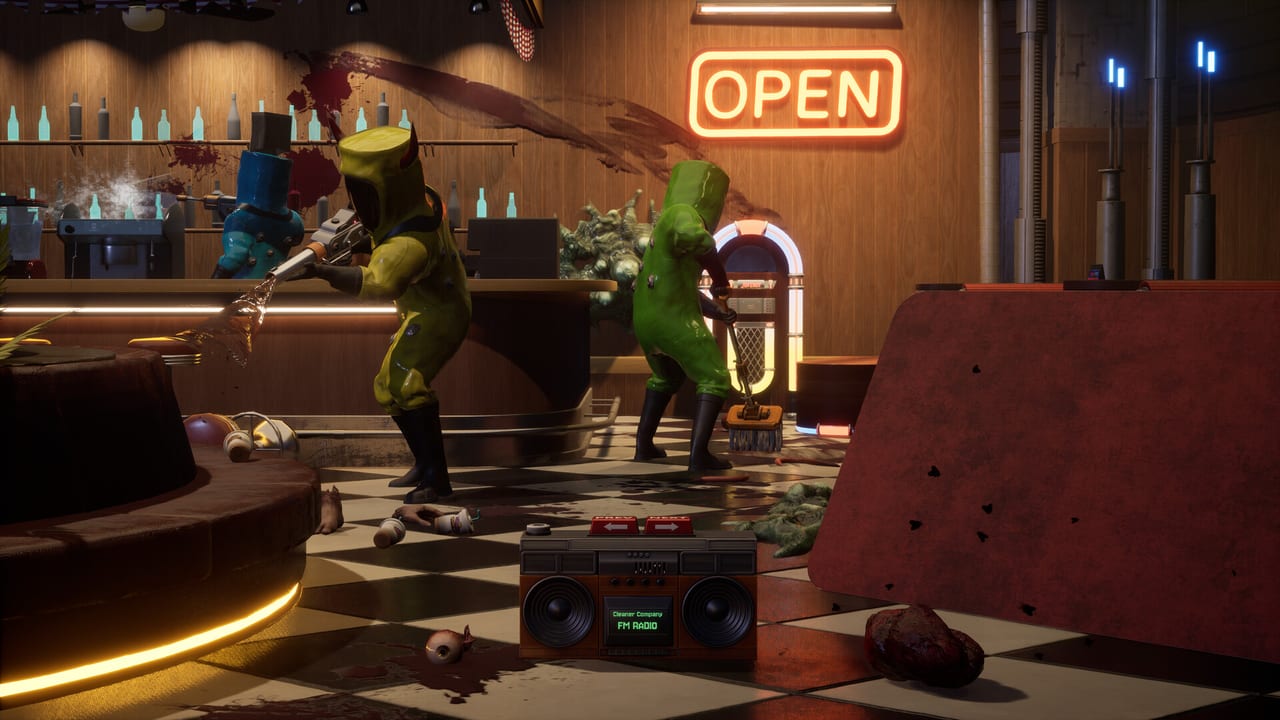
This Equipment Tier List helps Cleaner Company players decide what to upgrade first while cleaning deep-space disaster sites as Star Wipers. The game—developed by Wildflame Studio, published by Mythwright, launching on Steam and Epic in 2026—sells a clear kit fantasy: mops, cosmic vacuums, trash grinders, powerwashers, weapons, hazmat basics, and earnings that boost equipment, health, damage, and speed. Rankings below are priority guidance for the Flying Canteen demo and pre-launch practice, informed by official feature copy and playtest/demo loops (including earlier Experimental Laboratory and Polar Facility outings). They are not sealed competitive law.
Cross-read Cleaning Equipment, the Tier List Hub, Controls, and Getting Started so you know why a tool sits where it sits.
Ranking criteria
We score each investment on:
- Room clear speed on typical gore/stain mixes.
- Rework reduction (less splashback, fewer physics accidents).
- Co-op role value for 2–4 player crews.
- Solo flexibility when you must cover every job.
- Threat survival when Parasites, Slimes, Screamers, or similar are enabled.
- Earnings efficiency — power per early payout, not late-game vanity.
S-tier = buy early almost always. A-tier = buy soon after your primary. B-tier = situational or second-pass. C-tier = luxury, joke loadouts, or calm-only niches.
S-tier — buy these early
Primary mop upgrades
Liquids and smearable gore show up everywhere marketing shows. A better mop shortens every contract and teaches the core fantasy. In co-op, at least one player should live here.
Cosmic vacuum upgrades
Dry debris and loose bits stall “almost clean” rooms. Vacuum investment prevents endless mopping of solids that should have been sucked first. Excellent solo flex pick.
Baseline weapon readiness (threats on)
If your lobby enables monsters, a functional weapon upgrade that keeps wipes rare is S-tier time management. Dead cleaners do not finish floors. On calm difficulty with monsters off, drop this to B or skip.
A-tier — strong second purchases
Powerwasher upgrades
Stubborn stains, spores, and surfaces that mock polite mopping. Not every tile needs a washer, but every site seems to hide a few. One upgraded washer per crew is the sweet spot.
Trash grinder upgrades
Chunks, appendages, and solid waste clog routes and cameras. Grinders keep traffic lanes open and reduce “we cleaned the floor but failed inspection because of that pile” moments.
Health upgrades
Quietly powerful when threats or environmental slapstick are in play. Buy after your primary clean tool feels decent, especially for solo players who cannot rely on a medic friend (there is no medic—only mop insurance).
B-tier — situational
Damage-focused combat upgrades
Shine on Screamer-heavy nights and chaos four-stacks. Overbuying damage while floors stay filthy is a classic trap—finish the job, then flex.
Speed upgrades
Helpful for veterans who already avoid splashback. Beginners often sprint into wet disasters; buy speed after discipline, not before.
Duplicate specialty tools in co-op
Two maxed washers and zero grinders is a B-tier shopping mistake even if each washer is “strong.” Diversify the crew cart.
C-tier — luxury, memes, or calm-only
Hyper-niche cosmetics or late flex buys
Anything that does not shorten clears or prevent wipes can wait until your Flying Canteen route feels trivial.
All-weapon loadouts on calm difficulty
Valid for goofing, terrible for learning cleaning physics. Park them in C until the crew wants a horror night.
Ignoring the hazmat fantasy
You cannot skip the suit fantasy, but you also should not pretend it makes you immortal. Spending like you are invincible is a C-tier mindset.
Mode-based quick charts
Calm cleaning (monsters off)
- Mop 2. Vacuum 3. Grinder 4. Powerwasher 5. Speed 6. Health 7. Combat
Standard co-op (monsters on)
- Mop or Vacuum (based on site) 2. Weapon readiness 3. Powerwasher 4. Grinder 5. Health 6. Damage 7. Speed
Solo flex
- Vacuum 2. Mop 3. Weapon (if threats on) 4. Grinder 5. Powerwasher 6. Health 7. Speed/Damage
Adjust for location: restaurant gore leans mop/washer; debris-heavy labs lean vacuum/grinder. See Locations and Demo & Playtest for site notes.
Co-op shopping etiquette
- Announce purchases in voice chat so roles stay covered.
- One player “owns” liquids, one owns solids, one owns stubborn stains, one owns doors/threats in a four-stack.
- Do not gamble the entire team purse before essentials are bought—unless the table explicitly wants friendslop economics.
- Re-tier after patches listed on the Updates Hub.
How this list will age
Launch in 2026 may add tools, rename upgrades, or change costs. When that happens we will revise tiers and leave a note pointing at Release News. Until then, treat S/A picks as demo-safe shopping orders grounded in the published kit list.
Related links
Spend earnings like a professional Star Wiper: clear faster, rework less, wipe fewer times, then buy the funny upgrades once the floors already shine.
Frequently Asked Questions
Quick answers for Star Wipers before the next contract.
What is S-tier in Cleaner Company right now?
Primary mop upgrades, cosmic vacuum upgrades, and—when monsters are enabled—baseline weapon readiness. Exact numbers change with patches; roles stay stable.
Should I upgrade speed first?
Usually no. Speed is B-tier until you stop sprinting through wet messes. Buy clear-speed tools and survivability first.
Do calm runs use a different tier list?
Yes. With monsters off, push combat buys down and prioritize mop, vacuum, grinder, and powerwasher. See the mode charts above.
Where do I learn what each tool does?
Read Cleaning Equipment for roles, then return here for spending order.