Cleaner Company Physics Cleaning Tips for Star Wipers
Stop creating more work than you erase—master spills, gravity, stacking, and tool order.
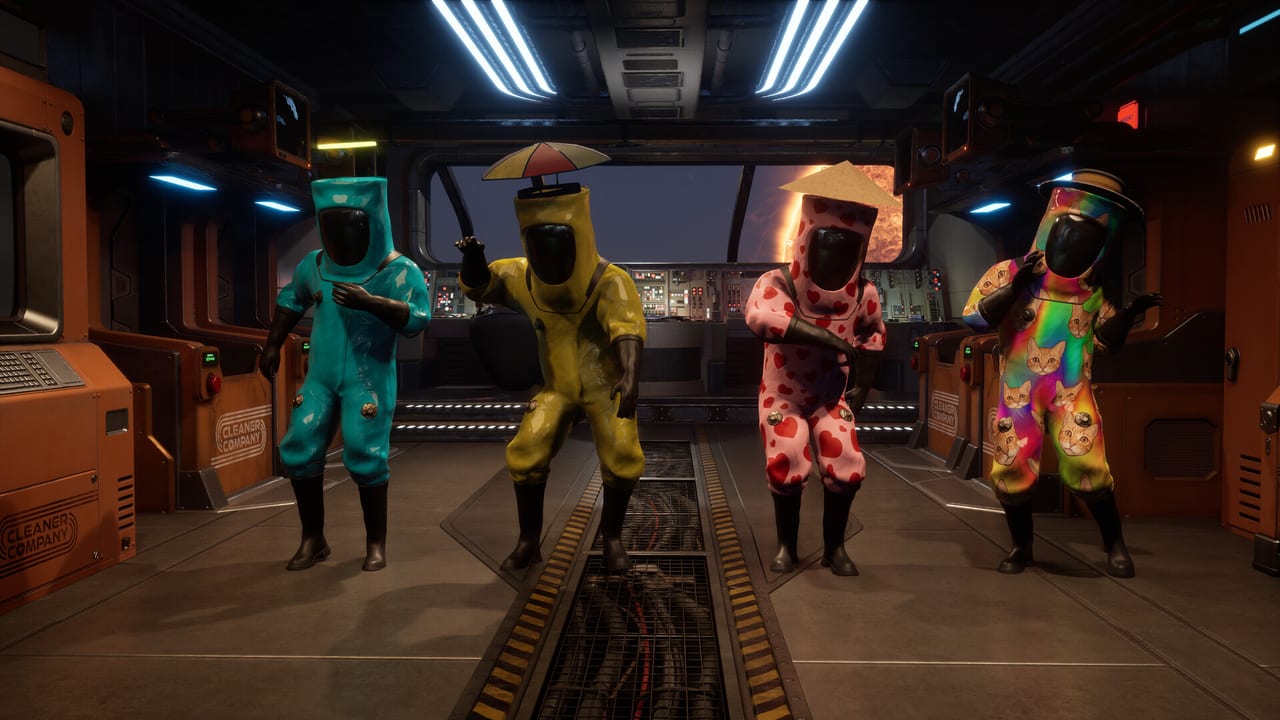
Cleaner Company’s cleaning loop is a physics toy first and a checklist second. Wildflame Studio and Mythwright built Star Wiper contracts so liquids smear, solids bounce, body parts stack into new obstacles, and one “helpful” spray can undo a finished hallway. Full release is aimed at Steam and Epic in 2026; until then the Flying Canteen demo and earlier playtest sites are the best classrooms. This guide teaches how mess multiplies, when to mop versus vacuum, and the co-op etiquette that keeps friends from becoming your worst stain source.
Pair it with Getting Started, the Demo walkthrough, Co-op guide, Cleaning equipment, and Survive threats when monsters stay enabled. Difficulty toggles are covered on Difficulty settings.
Why physics is the real boss
Marketing leans into tactile mop flow and workplace slapstick for a reason: the simulation punishes careless motion. Kick a pile near a doorway and debris rolls into a room you already closed. Tip a bucket on a ramp and gravity carries sludge farther than your mop radius. Stack trash or severed props into a tower “for fun,” then watch it collapse across polished tiles. Combat makes the problem louder—each shot can re-paint walls—but even calm, monster-off shifts fail when players treat gravity as decoration.
Treat every prop as potential debt. Before you sprint, ask whether the object will slide, splash, or shatter into a cleanup tax.
Spill and smear discipline
Liquids are contagious. Walking through a wet lane tracks stains into clean zones. Dragging bodies through blood fans the footprint. High-pressure tools can push sludge into corners you thought were finished. Build habits:
- Approach spills from the dry side whenever the layout allows.
- Cut a containment edge with the mop before you chase the center of a puddle.
- Keep boots and carts out of closed rooms until the floor is inspector-ready.
- Call “wet lane” in co-op so Extraction does not drag bags through your polish pass.
If a teammate must cross a wet zone, agree on a single sacrificial path and re-mop it last—not five random shortcuts.
Gravity, ramps, and orbital awkwardness
Stations are not flat offices. Ramps, stairs, and multi-level restaurant decks in Flying Canteen turn small mistakes into waterfall events. Solids kicked downhill travel farther. Liquids poured “just a little” on a slope become hallway art. When you stage grinders or dump piles, place them on flat pockets below the work area—not above a finished dining floor.
After a fight on a mezzanine, do a quick visual sweep of the level beneath before you declare the zone closed. Physics does not respect your screenshot.
Stacking body parts and trash (and why you should stop)
Yes, stacking is funny. No, the inspector does not grade comedy. Piles create:
- Occlusion — You cannot see threats or missed stains under the heap.
- Collapse risk — One vacuum tug or friendly bump redistributes the mess.
- Pathing traps — Squadmates trip routes and track gore wider.
- Tool confusion — Three people argue about the pile instead of clearing rooms.
Extraction should reduce solids early: vacuum loose debris, feed grinders, stage overflow in a designated dirty closet. Wetwork should not polish around a mountain of parts “until later.” Later is when the mountain becomes an avalanche. Tool identities live on Cleaning equipment and the Equipment tier list.
Mop vs vacuum order (default recipe)
There is no universal law for every stain type, but a reliable contract order looks like this:
- Secure the bubble — Clear immediate threats or confirm monsters are off (Survive threats, Difficulty settings).
- Extract solids — Bodies, trash, chickens-adjacent debris, shattered props. Vacuum and grinders first.
- Contain liquids — Mop edges, then interiors. Avoid walking the wet you just made manageable.
- Powerwash stubborn layers — Wide stained panels and scorched aftermath after you are not kicking solids through the mist.
- Inspector pass — Corners, under counters, vertical splatters, then call “zone closed.”
Reverse this order and you polish a floor that immediately receives a dropped torso. In solo play, rotate hats deliberately instead of clinging to one favorite tool. In co-op, assign Wetwork and Extraction so two people are not mopping the same tile while solids sit untouched—see Co-op guide.
Co-op etiquette that saves friendships
- No splash tools in closed zones unless the owner requests a re-clean.
- Announce high-splash actions — powerwash, flamethrower, tipping for “speed.”
- Stage, don’t freestyle — One dump room beats four mystery piles.
- Fight away from polish when you can peel a creature; if you cannot, budget a re-clean and own it.
- Mayhem mode is opt-in — Official fantasy lets you profit from calm or chaos, but chaos without a cleanup owner is just a failed shift with clips.
Blackouts and comms jokes are part of the brand. When voice dies, fall back to visual roles: Extraction keeps moving solids, Wetwork stays on stain color, Security watches ears.
Facility practice notes
- Flying Canteen (demo) — Dense restaurant geometry; booths hide splatters; chickens add mobile chaos. Room order help: Demo walkthrough.
- Experimental Laboratory / Polar Facility (playtest) — Narrow science halls and cold-site corridors punish careless kicks. Compare biomes on Locations and history on Demo & playtest.
Common physics mistakes
- Sprinting through wet lanes to “save time.”
- Vacuuming liquids like they are debris.
- Mopping first while body piles remain.
- Stacking trophies in the showcase dining room.
- Celebratory full-auto after a clean clear.
- Teaching friends with monsters on before they understand tool order.
Practice plan (one evening)
- Solo Flying Canteen, monsters off — solids-before-liquids only.
- Same clear, deliberately break one rule (kick a pile downhill) and fix the debt—feel the cost.
- Duo clear with strict Wetwork / Extraction split.
- Review binds on Controls and PC readiness on System requirements.
- Skim Updates and Wishlist & demo so your crew is on the current public build.
Physics is the toy that makes Star Wipers memorable. Respect gravity, stage your trash, mop after you extract, and leave the corridor shining—not funnier, wetter, and somehow worse than when you arrived.
Frequently Asked Questions
Quick answers for Star Wipers before the next contract.
Should I mop or vacuum first in Cleaner Company?
Default to extracting solids with vacuum and grinders first, then mop liquids, then powerwash stubborn layers. Polishing around body piles usually creates more work.
Why does cleaning sometimes make a bigger mess?
Physics spills, tracked boots, kicked debris, stacked trash collapses, and combat spray all redistribute stains. Contain edges, stage dumps, and avoid splash tools in closed zones.
Is stacking body parts a good strategy?
For comedy clips, sure. For contracts, no—piles occlude stains, collapse into clean rooms, and trap pathing. Reduce solids early into grinders or a designated dirty staging room.
How do co-op teams avoid undoing each other’s work?
Split by rooms, call wet lanes and zone-closed status, assign Wetwork vs Extraction, and treat mayhem as an opt-in social contract. See the Co-op guide for role callouts.
Where should I practice physics without combat pressure?
Use difficulty settings to untoggle monsters, then run Flying Canteen with a solids-before-liquids rule. Re-enable threats after tool order feels automatic.